Happy Holiday Font: A Strategic Tool for Elegant and Thoughtful Design
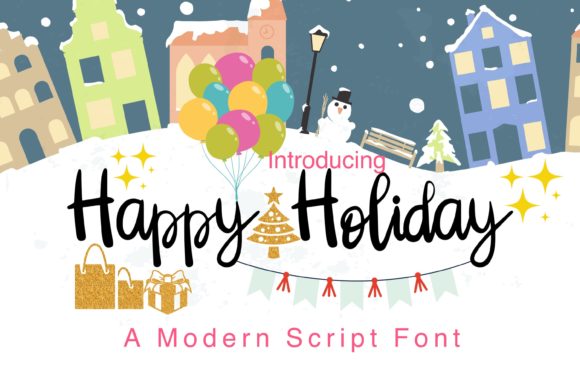
The Happy Holiday font is more than just a stylistic choice—it’s a powerful design element that can elevate the visual appeal of your work while reinforcing key messages with elegance and charm. Whether you're crafting wedding invitations, thank you cards, or branding materials, Happy Holiday offers a unique blend of handwritten warmth and refined sophistication. Its strategic use can help align your creative output with your brand identity, enhance user experience, and support long-term goals in a way that feels intentional and meaningful.
Why Happy Holiday Matters in Design Strategy
In today’s fast-paced digital world, Happy Holiday stands out as a font that bridges the gap between casual and professional. It’s not just about aesthetics; it's about creating a connection. When used thoughtfully, this font can evoke feelings of celebration, gratitude, and personal touch—key emotional triggers that resonate deeply with audiences.
For entrepreneurs and small business owners, Happy Holiday can be a valuable asset in building brand personality. It allows for a level of creativity that automated fonts often lack, helping to differentiate your brand from competitors. In marketing and communications, it can reinforce brand voice and create a consistent visual language that supports your messaging strategy.
Strategic Use Cases for Happy Holiday
Happy Holiday is particularly effective in scenarios where a handwritten feel adds value. Consider these practical use cases:
- Wedding Invitations: The font’s elegant yet friendly style makes it ideal for conveying warmth and formality simultaneously.
- Thank You Cards: It adds a personal touch that feels genuine and heartfelt, enhancing customer appreciation.
- Quotes and Greeting Cards: Its readability and charm make it perfect for short, impactful messages.
- Logos and Branding: When paired with other design elements, it can help establish a unique brand identity.
- Business Cards and Stationery: It brings a sense of craftsmanship and individuality to everyday communication tools.
- Marketing Materials: It can be used sparingly in headers or call-to-action sections to draw attention without overwhelming the reader.
Each of these applications requires careful consideration of context, audience, and purpose. For instance, using Happy Holiday on a corporate website may not always be appropriate unless it aligns with the brand’s personality. However, when used in a newsletter or promotional material, it can create a more engaging and memorable experience.
Planning for Intentional Use
Before incorporating Happy Holiday into your design projects, it’s important to plan strategically. Start by defining your goals and understanding your audience. Ask yourself: What message do I want to convey? Who is this design intended for? How does this font fit into my overall branding strategy?
Consider the following planning tips:
- Define Your Purpose: Is the goal to build trust, create excitement, or foster connection? Happy Holiday works best when it supports a clear objective.
- Assess Your Audience: Does your target audience appreciate a handwritten aesthetic? Will they perceive it as professional or too informal?
- Test in Context: Preview how the font looks in different formats and sizes. Ensure it remains legible and maintains its charm across various platforms.
- Balance with Other Elements: Pair Happy Holiday with complementary fonts to maintain visual harmony and avoid clutter.
- Track Outcomes: Monitor how your audience responds to designs featuring Happy Holiday. Use feedback to refine your approach over time.
Long-Term Value and Risk Mitigation
While Happy Holiday has the potential to add significant value, it’s important to use it intentionally. Random or excessive use can lead to inconsistencies and dilute your brand’s message. This is especially true in professional settings where clarity and professionalism are paramount.
Risks include:
- Lack of Consistency: Using Happy Holiday in every design can make your brand appear unprofessional or overly casual.
- Reduced Legibility: If not used correctly, the font’s stylized nature can make text harder to read, especially at smaller sizes.
- Missed Branding Opportunities: Overreliance on one font can limit your ability to communicate diverse messages effectively.
To mitigate these risks, consider using Happy Holiday selectively and consistently within specific contexts. For example, reserve it for seasonal promotions, personal notes, or creative content rather than core branding elements.
Decision-Making Guidance for Effective Use
When deciding whether to use Happy Holiday, ask yourself the following questions:
- Does this design require a personal, handwritten feel?
- Will the font enhance the message or distract from it?
- Is there a clear purpose behind the choice of this font?
- Can I justify its use based on audience preferences and brand values?
- Am I prepared to maintain consistency and quality across all uses?
If the answer to these questions is yes, then Happy Holiday is likely a good fit. If not, it may be better to explore other options that align more closely with your goals.
Conclusion
Happy Holiday is a versatile and charming font that can enrich your design toolkit when used with intention. By understanding its strengths, limitations, and strategic applications, you can harness its power to create meaningful connections, support your brand identity, and achieve better outcomes. Remember, the key to success lies in thoughtful planning, consistent execution, and a deep understanding of your audience and goals.