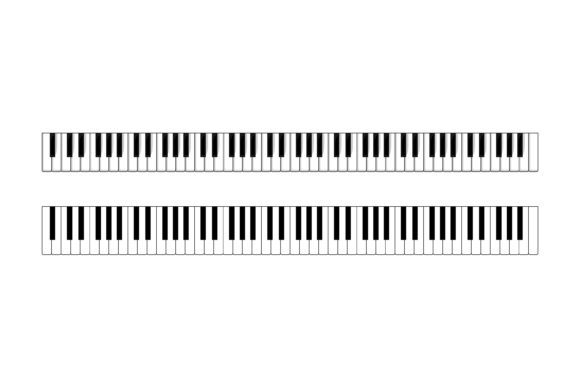
Piano Keys
When it comes to digital design and creative workflows, having the right tools can make all the difference. One such tool that often goes unnoticed but plays a critical role in the process is the Piano Keys. Whether you're designing for print, creating digital assets, or managing a product line, understanding how Piano Keys fits into your workflow can enhance efficiency, consistency, and overall quality.
Understanding Piano Keys in Design Workflows
Piano Keys refer to a specific type of file format that is widely used across various creative software platforms. These files are typically vector-based, which means they maintain their quality regardless of scaling. This makes them ideal for use in a wide range of applications, from branding materials to custom merchandise.
The key advantage of using Piano Keys lies in their compatibility with multiple design programs. Whether you're working with Adobe Illustrator CC, Inkscape, Corel Draw, or any other vector graphics software, Piano Keys offer a seamless integration experience. This compatibility ensures that your designs remain consistent across different platforms, reducing the risk of errors or inconsistencies during the creative process.
Where Piano Keys Fit in the Creative Process
The role of Piano Keys can vary depending on the stage of your project. For instance, they can be used at the beginning of a project to create scalable logos or icons that will be used across multiple mediums. During the design phase, they allow for precise adjustments and modifications without compromising quality. Finally, at the end of a project, Piano Keys ensure that your final output remains editable and adaptable for future use.
One of the most common use cases for Piano Keys is in the creation of custom products. From shirts and wood signs to mugs and tumblers, these files provide the flexibility needed to produce high-quality, professional-looking items. Additionally, they are perfect for crafting party decor, greeting cards, and other personalized items that require both precision and scalability.
Integrating Piano Keys with Other Tools
While Piano Keys are powerful on their own, their true potential shines when integrated with other tools and platforms. For example, using Piano Keys alongside Adobe Illustrator allows for more advanced editing and manipulation of design elements. Similarly, combining them with Inkscape can streamline the design process for those who prefer open-source software.
Another important aspect of integration is ensuring that Piano Keys work well with your existing workflow. If you're running a small business or managing a product line, it's essential to choose tools that complement each other. This includes not only design software but also asset management systems, printing services, and e-commerce platforms. A cohesive ecosystem of tools can significantly improve productivity and reduce the time spent on repetitive tasks.
Practical Tips for Using Piano Keys Effectively
To get the most out of Piano Keys, consider the following practical tips:
- Plan Ahead: Before starting a project, determine the scale and complexity of your design. This helps in selecting the appropriate file format and preparing your workspace accordingly.
- Organize Your Files: Keep your Piano Keys files organized in a structured folder system. This makes it easier to locate and reuse assets across different projects.
- Test Compatibility: Always test your Piano Keys files in different software to ensure they work as expected. This helps in identifying any potential issues early on.
- Use High-Quality Assets: Invest in high-resolution images and fonts to maintain the integrity of your designs. Poor quality assets can negatively impact the final output.
- Collaborate Efficiently: When working with a team, ensure that everyone has access to the same version of your Piano Keys files. This promotes consistency and reduces the risk of version conflicts.
Long-Term Use and Quality Control
As your projects grow and evolve, maintaining the quality of your Piano Keys becomes increasingly important. Regularly updating your files and keeping track of changes ensures that your designs remain relevant and up-to-date. It's also advisable to implement a quality control process to review and refine your work before finalizing it.
For businesses that rely heavily on custom products, maintaining a consistent brand identity is crucial. Piano Keys help in achieving this by providing a reliable source of scalable and editable assets. This ensures that your brand's visual elements remain cohesive across all platforms and mediums.
Conclusion
Incorporating Piano Keys into your workflow can significantly enhance your design capabilities and overall productivity. By understanding their role, integrating them with other tools, and implementing best practices, you can streamline your creative process and achieve better results. Whether you're a professional designer, an entrepreneur, or a hobbyist, Piano Keys offer a versatile and powerful solution that fits seamlessly into your workflow.