Understanding Abstract Background and Its Role in Design Workflows
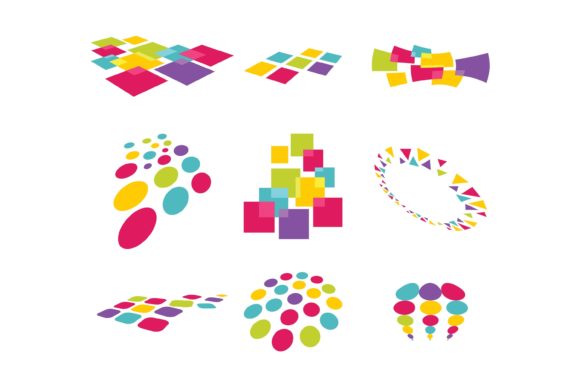
Abstract Background is a versatile design element that serves as a foundational layer in visual compositions. Unlike traditional background designs, which often feature literal imagery or textures, Abstract Backgrounds are characterized by their non-representational nature. These backgrounds are typically composed of geometric shapes, color gradients, and layered patterns that create a dynamic yet cohesive visual foundation. This makes them ideal for a wide range of creative projects, especially when the goal is to evoke emotion, establish mood, or provide a visually engaging backdrop without distracting from the main content.
Distinguishing Abstract Background from Traditional Designs
One of the key differences between Abstract Backgrounds and more conventional background designs lies in their approach to visual storytelling. While traditional backgrounds may rely on recognizable images or textural elements, Abstract Backgrounds focus on form, color, and composition to convey meaning indirectly. This allows designers to create more immersive and emotionally resonant environments without being constrained by literal representation.
For instance, an Abstract Background might use a series of overlapping circles in varying shades of blue to suggest calmness and tranquility, whereas a traditional background might use a literal image of a sky or ocean. The former offers greater flexibility in terms of customization and adaptability across different media and formats.
Why Abstract Background Is a Preferred Choice for Designers
Designers often turn to Abstract Backgrounds for several reasons. First, they offer a high degree of customization. Since these backgrounds are not bound by specific imagery, they can be tailored to fit the exact needs of a project. Whether you're designing a website, a print layout, or a digital product, Abstract Backgrounds can be adjusted to match the desired aesthetic and functional requirements.
Another advantage is their ability to enhance the overall visual hierarchy of a design. By using contrasting colors, shapes, and layers, Abstract Backgrounds can guide the viewer’s eye toward key elements such as text, images, or call-to-action buttons. This is particularly useful in user interface (UI) design, where clarity and usability are paramount.
Additionally, Abstract Backgrounds are highly scalable and adaptable. They can be used across multiple platforms and devices without losing quality or consistency. This makes them an excellent choice for designers who need to maintain brand identity across various touchpoints, from social media graphics to packaging materials.
Comparing Abstract Background with Other Design Approaches
When evaluating design options, it's important to consider how Abstract Backgrounds compare with other common approaches such as solid color backgrounds, patterned backgrounds, and photo-based backgrounds. Each has its own strengths and limitations, and the best choice depends on the specific goals of the project.
Solid color backgrounds are straightforward and effective for minimalistic designs. However, they can become monotonous and fail to engage the viewer over time. Patterned backgrounds, on the other hand, offer more visual interest but may sometimes compete with the main content if not carefully balanced. Photo-based backgrounds are highly realistic but can be limiting in terms of customization and adaptability.
Abstract Backgrounds strike a balance between these options. They provide enough visual depth and complexity to keep the design engaging while still allowing for precise control over the overall look and feel. This makes them particularly well-suited for projects that require both creativity and functionality.
Use Cases and Practical Applications
Abstract Backgrounds are incredibly versatile and can be applied to a wide variety of design projects. Here are some common use cases:
- Website Design: Abstract Backgrounds can be used to create visually appealing homepages, landing pages, and portfolio sites. They help set the tone and atmosphere of the site while providing a strong visual foundation.
- Print Layouts: Whether it's a magazine cover, brochure, or poster, Abstract Backgrounds add depth and sophistication to printed materials.
- Digital Products: From t-shirts to wood signs, Abstract Backgrounds can be used to create custom designs for handmade products. They allow for easy customization and scalability, making them ideal for small businesses and independent creators.
- User Interface (UI) Design: In UI design, Abstract Backgrounds can be used to enhance the user experience by creating a visually engaging and intuitive interface.
- Marketing Materials: Abstract Backgrounds are also useful for creating promotional materials such as banners, social media posts, and event invitations.
These applications demonstrate how Abstract Backgrounds can be integrated into various aspects of design workflows, offering both aesthetic and functional benefits.
Tools and Software for Creating Abstract Backgrounds
Creating Abstract Backgrounds requires the right tools and software to ensure high-quality results. Fortunately, there are several powerful options available to designers, regardless of their skill level or budget.
Adobe Illustrator CC is one of the most popular choices for creating Abstract Backgrounds. It offers advanced vector drawing capabilities, making it ideal for creating intricate designs that can be easily scaled without loss of quality. Other Adobe Suite applications such as Photoshop and InDesign can also be used to refine and integrate Abstract Backgrounds into larger projects.
For those looking for free alternatives, Inkscape is an excellent open-source option. It provides many of the same features as Adobe Illustrator and is compatible with a wide range of file formats. Corel Draw is another professional-grade tool that is well-suited for creating complex design elements like Abstract Backgrounds.
Regardless of the software chosen, the key is to experiment with different shapes, colors, and layers to find the perfect balance between aesthetics and functionality.
Choosing the Right Format for Your Project
When working with Abstract Backgrounds, it's important to consider the file format that best suits your project. One of the most widely used formats for this purpose is the EPS (Encapsulated PostScript) file. EPS files are particularly well-suited for design projects that require high-quality output and scalability.
EPS files are vector-based, which means they can be resized without any loss of quality. This makes them ideal for use in a variety of contexts, from digital design to print production. Additionally, EPS files are compatible with a wide range of design software, including Adobe Illustrator, Inkscape, and Corel Draw, making them a versatile choice for designers.
If you're working on a project that involves multiple design tools or platforms, choosing an EPS file ensures that your Abstract Background remains consistent and high-quality throughout the entire workflow.
Conclusion
Abstract Backgrounds offer a unique blend of creativity, flexibility, and functionality that makes them an invaluable asset for designers. Whether you're working on a website, a print layout, or a handmade product, these backgrounds can help elevate your designs and create a more engaging visual experience.
By understanding the strengths and limitations of Abstract Backgrounds, as well as how they compare to other design approaches, you can make informed decisions about when and how to use them effectively. With the right tools and techniques, you can harness the full potential of Abstract Backgrounds to bring your creative vision to life.