Understanding the 404 Error Yellow Sign and Its Role in Design Workflows
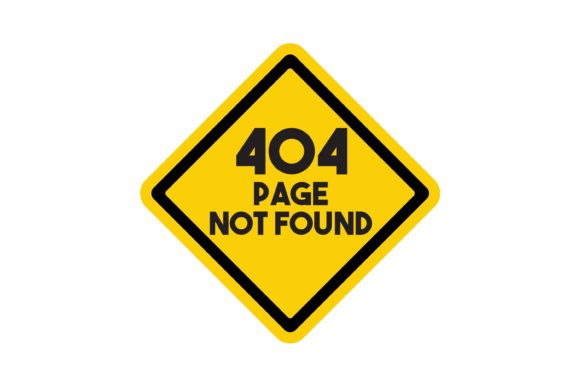
The 404 Error Yellow Sign is a common sight on the web, often appearing when a user tries to access a non-existent page. While it might seem like a simple error message, its presence can have a significant impact on both user experience and website functionality. For designers and developers, understanding how to handle this issue is essential for maintaining a smooth workflow and ensuring that visitors are not left confused or frustrated.
When a visitor encounters a 404 Error Yellow Sign, it means that the requested page could not be found on the server. This can happen for various reasons, such as a broken link, a typo in the URL, or a page that has been moved or deleted without proper redirection. The yellow sign serves as a visual cue that something is wrong, but it also presents an opportunity to guide users back to relevant content or provide helpful information.
For businesses and individuals who rely on online presence, the 404 Error Yellow Sign can be more than just an inconvenience—it can affect SEO rankings, bounce rates, and overall user satisfaction. Search engines may penalize websites with high numbers of 404 errors, as they interpret these as poor site structure or outdated content. Therefore, addressing 404 errors promptly is crucial for maintaining a healthy digital footprint.
One effective way to manage 404 errors is by implementing custom error pages. Instead of displaying the default yellow sign, you can create a friendly, informative page that explains what went wrong and offers suggestions for finding the desired content. These custom pages can include search bars, links to popular sections of the site, or even a sitemap. By doing so, you not only improve the user experience but also reduce the likelihood of users leaving your site altogether.
In addition to improving user experience, managing 404 errors can also help with SEO optimization. When a page is removed or moved, it's important to set up proper redirects to ensure that visitors and search engines are directed to the correct location. This helps maintain traffic flow and preserves the site's ranking potential. Tools like Google Search Console can be used to identify and fix broken links, making it easier to maintain a clean and functional website.
While the 404 Error Yellow Sign is primarily associated with web development, it also has relevance in other areas of design and production. For instance, in graphic design workflows, similar issues can arise when files are missing or mislabeled. Whether it's an EPS file, a vector graphic, or a design template, ensuring that all necessary assets are properly organized and accessible is key to maintaining efficiency and avoiding disruptions in the creative process.
EPS files, in particular, are widely used in design projects due to their versatility and compatibility with various software programs. These files are especially useful for creating scalable graphics that can be used across multiple platforms and mediums. From shirts and wood signs to mugs and tumblers, EPS files offer a high level of detail and flexibility that makes them ideal for both personal and commercial use.
When working with EPS files, it's important to ensure that the correct software is being used for editing and exporting. Programs like Adobe Illustrator CC, Adobe Suite, Inkscape, and Corel Draw are all capable of handling EPS files, making them a valuable asset for designers who work across different tools and environments. However, it's also essential to verify that the file format is compatible with the specific program being used, as some software may require additional settings or conversions to work seamlessly with EPS files.
For those involved in handmade business ventures or small-scale product lines, the ability to create and customize EPS files can significantly enhance productivity and creativity. Whether you're designing party decor, cards, or promotional materials, having access to high-quality vector graphics ensures that your designs remain sharp and professional, regardless of the size or medium in which they are printed or displayed.
Additionally, EPS files can be easily modified and updated, allowing for greater control over the final output. This is particularly beneficial for businesses that need to make frequent changes to their branding or product designs. With the right tools and knowledge, designers can streamline their workflow and ensure that all elements of their project are consistent and visually appealing.
Another advantage of using EPS files is their cross-platform compatibility. Unlike raster images, which can lose quality when scaled, EPS files maintain their clarity and resolution at any size. This makes them an excellent choice for a wide range of applications, from digital prints to large-format signage. Whether you're creating a single piece of artwork or a complete product line, EPS files provide the flexibility and precision needed to achieve professional results.
When selecting software for working with EPS files, it's important to consider factors such as ease of use, feature set, and cost. While Adobe Illustrator is a popular choice due to its robust capabilities and industry-standard status, there are also many free and open-source alternatives available, such as Inkscape. These options can be particularly appealing for independent designers or small businesses looking to minimize expenses without sacrificing quality.
Ultimately, the 404 Error Yellow Sign serves as a reminder of the importance of organization, accessibility, and adaptability in both digital and physical design workflows. Whether you're managing website errors or creating vector graphics for your products, taking the time to ensure that all elements are properly structured and maintained can make a significant difference in the success of your projects.
By staying proactive in addressing issues like 404 errors and leveraging the power of EPS files, designers and creators can build more efficient, user-friendly, and visually compelling projects. Whether you're working on a personal passion project or running a business, the right tools and strategies can help you overcome challenges and achieve your goals with confidence and clarity.