Creating Impact with No Drugs No Alcohol Sign: A Guide to EPS File Design and Use
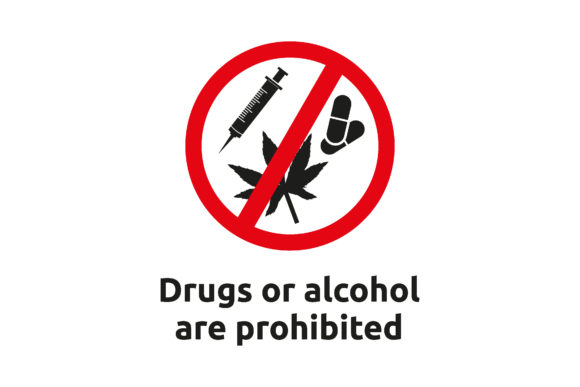
The No Drugs No Alcohol Sign is more than just a visual statement—it’s a powerful tool for communication, branding, and advocacy. Whether you're designing for a community initiative, a retail space, or a personal project, the right design can make all the difference. One of the most versatile formats for creating such signs is the EPS file. This guide explores how EPS files can be used effectively in various creative projects, focusing on their advantages, applications, and practical use cases.
Understanding EPS Files: What Makes Them Unique
EPS, or Encapsulated PostScript, is a file format that has been around since the 1980s. Despite its age, it remains a preferred choice for vector graphics due to its scalability and compatibility across different design software. Unlike raster images such as JPEGs or PNGs, EPS files maintain quality at any size, making them ideal for both small prints and large-scale signage.
When working with the No Drugs No Alcohol Sign, an EPS file ensures that the design remains sharp and clear, regardless of where it's displayed. This is especially important when creating items like shirts, wood signs, mugs, and tumblers, which often require high-resolution visuals for professional results.
Why Choose EPS Over Other Formats?
- Scalability: EPS files are resolution-independent, meaning they can be scaled up or down without losing quality.
- Compatibility: They work seamlessly with Adobe Illustrator CC, Adobe Suite, Inkscape, Corel Draw, and other vector design tools.
- Editing Flexibility: Since EPS is a vector format, you can easily edit individual elements of your design without degrading the image.
- Professional Output: EPS files are widely accepted by printers and designers for commercial use, ensuring consistency across all media types.
Applications of the No Drugs No Alcohol Sign in Creative Projects
The No Drugs No Alcohol Sign can be adapted for a wide range of uses. From promoting health awareness to supporting sobriety initiatives, this sign serves as a universal message that resonates with diverse audiences. When paired with the flexibility of EPS files, the possibilities expand significantly.
For example, a local community center might use the sign as part of a public health campaign. The EPS file allows for easy customization, enabling the center to create multiple versions of the sign tailored to different locations or events. Similarly, a small business owner could incorporate the design into merchandise, such as t-shirts or mugs, to support a cause while also generating revenue.
Another application is in educational settings. Teachers and educators can use the No Drugs No Alcohol Sign as part of classroom discussions on health, responsibility, and lifestyle choices. An EPS file makes it simple to print high-quality copies for handouts, posters, or digital presentations.
Designing for Different Media Types
Whether you're creating a physical sign or a digital graphic, the No Drugs No Alcohol Sign should be designed with versatility in mind. Here are some key considerations:
- Color Choices: Select colors that align with the intended message. For instance, blue and white can convey trust and clarity, while red and black may suggest urgency or caution.
- Typography: Use bold, readable fonts to ensure the message is clear from a distance. Avoid overly decorative styles that may reduce legibility.
- Layout: Keep the design simple and focused. A clean layout helps reinforce the message without overwhelming the viewer.
- Customization: EPS files allow for easy modifications, so you can tailor the design to fit specific needs, whether it's for a private event or a public display.
Tools for Creating and Editing EPS Files
While there are several design tools available, the choice of software depends on your skill level and project requirements. Below is a breakdown of popular options:
Adobe Illustrator CC
Adobe Illustrator is the industry standard for vector design. It offers advanced features such as precise path editing, color management, and integration with other Adobe products. If you're looking to create a highly detailed No Drugs No Alcohol Sign, Illustrator is an excellent choice.
Inkscape
Inkscape is a free and open-source alternative to Adobe Illustrator. It provides many of the same functionalities, including vector drawing, text formatting, and export options. For those who prefer cost-effective solutions, Inkscape is a great option for creating EPS files.
Corel Draw
Corel Draw is another robust design tool known for its user-friendly interface and extensive feature set. It supports EPS files and offers tools for both beginners and professionals, making it a versatile choice for a wide range of design tasks.
Real-World Examples of EPS File Use
Let’s look at some real-world scenarios where the No Drugs No Alcohol Sign has been effectively utilized with EPS files:
Example 1: Community Health Campaign
A local health organization created a series of No Drugs No Alcohol Sign banners using EPS files. These were printed on large-format posters and displayed in public spaces to raise awareness about substance-free living. The EPS format allowed for easy scaling and printing, ensuring consistent quality across all materials.
Example 2: Custom Merchandise
An independent designer used the No Drugs No Alcohol Sign as part of a line of custom t-shirts and mugs. By exporting the design as an EPS file, the designer was able to maintain high resolution even when printing on different materials, resulting in professional-looking products.
Example 3: Educational Materials
A school district incorporated the No Drugs No Alcohol Sign into lesson plans and classroom activities. Using EPS files, teachers were able to create printable handouts and posters that supported the curriculum while promoting healthy habits among students.
Best Practices for Using EPS Files in Your Projects
To get the most out of your EPS files, follow these best practices:
- Use Vector Graphics: Ensure your design is built using vector elements to maintain quality at any scale.
- Test Print Quality: Before finalizing your design, test it on different materials to ensure it looks as intended.
- Keep Files Organized: Save your EPS files in a structured folder system to avoid confusion and streamline your workflow.
- Backup Regularly: Always keep backups of your files to prevent data loss, especially when working on long-term projects.
- Stay Updated: Keep your design software updated to take advantage of new features and improvements in file handling.
By following these guidelines, you can maximize the potential of your EPS files and create visually compelling designs that serve both functional and aesthetic purposes.